
Mouthguards
Mouthguard
A mouthguard is a flexible, medical-grade plastic appliance worn over the teeth during sports and recreational activities. It cushions impact, protects enamel, and helps shield the lips, cheeks, and jaw from accidental trauma or injury.
Why wearing one matters for your smile
Sports-related contact or falls can damage teeth in seconds. Wearing a properly fitted mouthguard greatly reduces the risk of chipped, broken, or knocked-out teeth and helps protect your jaw during practices and games.
How mouthguards help reduce dental trauma
Mouthguards act as shock absorbers by spreading out the force of a blow to the face or jaw. This cushioning effect lowers the chance of serious injuries such as tooth fractures, jaw strain, cuts to the lips or cheeks, and even some concussions. By keeping the lower jaw from forcefully slamming into the upper jaw, they also protect nerves and soft tissues, making sports participation much safer.
Sports where mouthguards are strongly recommended
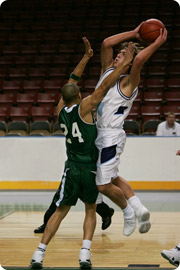
A mouthguard should be worn anytime there is a possibility of contact with another player, equipment, or hard surfaces. This includes sports such as football, basketball, baseball, softball, soccer, wrestling, hockey, lacrosse, and martial arts. Recreational activities like skateboarding, biking, gymnastics, and skating also carry risk. Even noncontact sports can lead to accidental falls or collisions, so wearing protection is a smart preventive step for athletes of all ages.
Why do some children skip using them?
Many children do not wear mouthguards simply because parents underestimate the level of contact involved in certain sports. Others may find store-bought guards uncomfortable or bulky. Cost and lack of awareness can also play a role. Education and a properly fitted custom guard often solve these concerns and make protection easier to accept and wear consistently.
Types of Mouthguards
There are three main types of mouthguards available, and each provides a different level of fit, comfort, and protection.
Stock mouthguard: This is the most affordable option and comes pre-formed in standard sizes. Because it cannot be customized, it often feels bulky and may shift while talking or breathing. The poor fit means less stability and reduced protection during impact. Most dental professionals do not recommend this type for serious athletic use.
Mouth-formed protectors: Often called “boil-and-bite,” these guards are softened in hot water and then shaped around the teeth. They offer a better fit than stock versions and are widely used by athletes. While more comfortable and affordable, they may still loosen over time and typically do not provide the same durability or precise protection as professionally made options.
Custom-made mouth protectors: Created by your dentist from an impression of your teeth, these guards deliver the best fit and highest level of protection. They are thinner, more comfortable, easier to speak with, and stay securely in place. Because they are tailored specifically to your smile, they provide superior cushioning and long-term reliability, making them the preferred choice for consistent athletes.
Tips to keep your guard clean and safe
Proper care helps your mouthguard last longer and stay hygienic.
- Rinse or wash it gently with soap and warm water after each use.
- Occasionally, soak it in mouthwash to reduce bacteria buildup.
- Always store it in a ventilated case so it can dry completely.
- Avoid heat, such as hot water or a closed car, which can warp the material.
- Never bend the guard or share it with others.
- Bring it to dental visits so the condition and fit can be checked.
Contact Us Now




Our Testimonials
