
Fluoride
What does Tooth Decay mean?
The outer layer of your teeth, called enamel, is strong but not solid. It contains tiny openings that can allow acids to pass through. When plaque builds up on the teeth, it produces acids that slowly weaken the enamel over time. This early damage can create soft areas on the tooth that may eventually turn into cavities if not addressed.
Tooth decay often begins on chewing surfaces, between teeth, around existing fillings, or along exposed roots. Without treatment, decay can spread deeper into the tooth, leading to pain, infection, and loss of healthy tooth structure.
How Fluoride Helps Protect Your Teeth
Fluoride helps protect teeth by strengthening enamel and making it more resistant to acid attacks. It slows the early breakdown of tooth surfaces while supporting the natural repair process that rebuilds weakened areas. With regular fluoride exposure, teeth are better able to fight cavities and maintain long-term strength for children and adults alike through daily preventive care habits.
Fluoride Treatment and Cavity Prevention
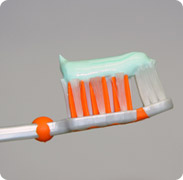
Fluoride is commonly found in drinking water, toothpaste, and mouth rinses. If your water supply does not contain fluoride, your dentist may recommend additional fluoride treatments, such as professional applications, gels, or rinses.
Brushing twice daily with fluoride toothpaste, flossing regularly, and maintaining routine dental visits help strengthen enamel and protect against early decay. Studies have shown that consistent use of fluoride toothpaste significantly reduces the risk of cavities. Professional fluoride treatments can provide added protection, especially for patients with a higher risk of tooth decay.
To learn more about fluoride treatments or to schedule an appointment, call our office at (404) 261-0610.
Return to Patient Education
Contact Us Now



Our Testimonials
