
Dental Bonding
Looking for a simple way to improve your smile?
Small chips, gaps, or stains can affect how confident you feel about your teeth, but dental bonding offers a fast, affordable, and natural-looking solution that can refresh your smile in just one visit.
How does dental bonding work to repair teeth?
Dental bonding uses a tooth colored composite resin that is carefully applied to the surface of your teeth to repair cracks, close spaces, reshape edges, and brighten discolored areas for a smoother, more even appearance.
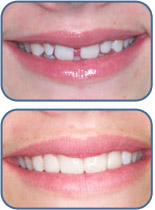
Who can benefit most from a bonding treatment?
Dental bonding is ideal for patients with minor cosmetic concerns such as chipped, stained, slightly crooked, or uneven teeth, as well as small gaps between teeth. After a full exam, your dentist will confirm if bonding fits your needs. Because smoking can stain the resin, smokers should discuss options beforehand to maintain longer-lasting results.
What makes bonding a popular cosmetic option?
Bonding is loved for its simplicity and affordability. It costs less than veneers or crowns and usually takes just one appointment to complete. The results look natural, blend with surrounding teeth, and require no special care beyond regular brushing, flossing, and routine dental visits.
Contact Us Now
Are there any drawbacks to consider?
While bonding is strong and effective, the resin is not as stain-resistant or durable as porcelain. It may chip or discolor over time, especially with coffee, tea, or tobacco use.
How long can dental bonding last?
Bonding is not permanent, but it is long-lasting with proper care. Most treatments remain in good shape for three to seven years. Daily brushing, flossing, and regular checkups help protect the bonded areas and extend their lifespan before touch-ups or replacements become necessary.
What should I expect during the bonding appointment?
Your visit begins with a consultation to plan the areas that need improvement. The tooth surface is gently prepared using a conditioning solution that helps the material stick securely. Next, the dentist applies a soft, putty-like resin and carefully shapes it to correct imperfections and match your natural tooth structure. Once the shape looks right, a special curing light hardens the material within seconds. Final adjustments are made, and the tooth is polished to create a smooth, glossy finish. Most appointments are completed comfortably within one to two hours.
Does the bonding process cause discomfort?
Bonding is typically painless and rarely requires anesthesia. Most patients feel little to no discomfort during treatment. Mild sensitivity may occur briefly afterward, but it usually fades quickly and does not interfere with normal daily activities.


Our Testimonials

I want to thank you so much for your generous gift to me of time, service and care. Your willingness to help me was such a mighty example of the Lord’s provision. May He richly bless you and your family!! And… I wanted to thank you and your entire staff for the best experience I’ve ever had at a Dr. visit of any kind. You all manage to be highly professional and highly personable. Throughout my entire time in the office, I always felt valued and cared for as an individual. Keep up the awesome work!! Thank you so much!